Large group team building games have to clear a bar small-group games never face: everyone has to play at the same time. Put 50 people in a game where you take turns, and 48 of them are just watching. The games that work for big groups are the ones where every person is active at once, from a single link.
We have run games for groups from a handful of people up to packed company events, and the pattern is consistent: scale breaks anything that relies on turn-taking, a facilitator reading instructions, or people downloading something. Here is what actually works for 30, 50, or 100+ players — and why.
Why Large Groups Break Most Games
A game that is fun with eight people often collapses at fifty. Three things break:
- Turn-taking. Going around the room is fine for six people and unbearable for sixty. Most of the group is idle most of the time.
- The passive audience. The bigger the group, the easier it is to hide. A few loud people play; everyone else watches.
- Facilitation overload. One host cannot explain rules, track scores, and keep energy up for 100 people at once.
That last one is the quiet killer — and it is the same friction problem behind why employees don't engage in team activities, just amplified by scale.
What a Large Group Game Needs
Cut against those three failure modes and you are left with a short checklist:
- Everyone plays simultaneously. No turns. Every person is in the same game at the same time.
- One link, no install. A hundred people will not all download an app. One link, or it does not happen.
- It scores itself. Automatic scoring and a leaderboard mean the host is not the bottleneck.
- It works the same remote or in-person. All-hands are often hybrid; the game cannot care where anyone sits.
The Best Large Group Team Building Games
1. Wikipedia Race — Scales Almost Infinitely
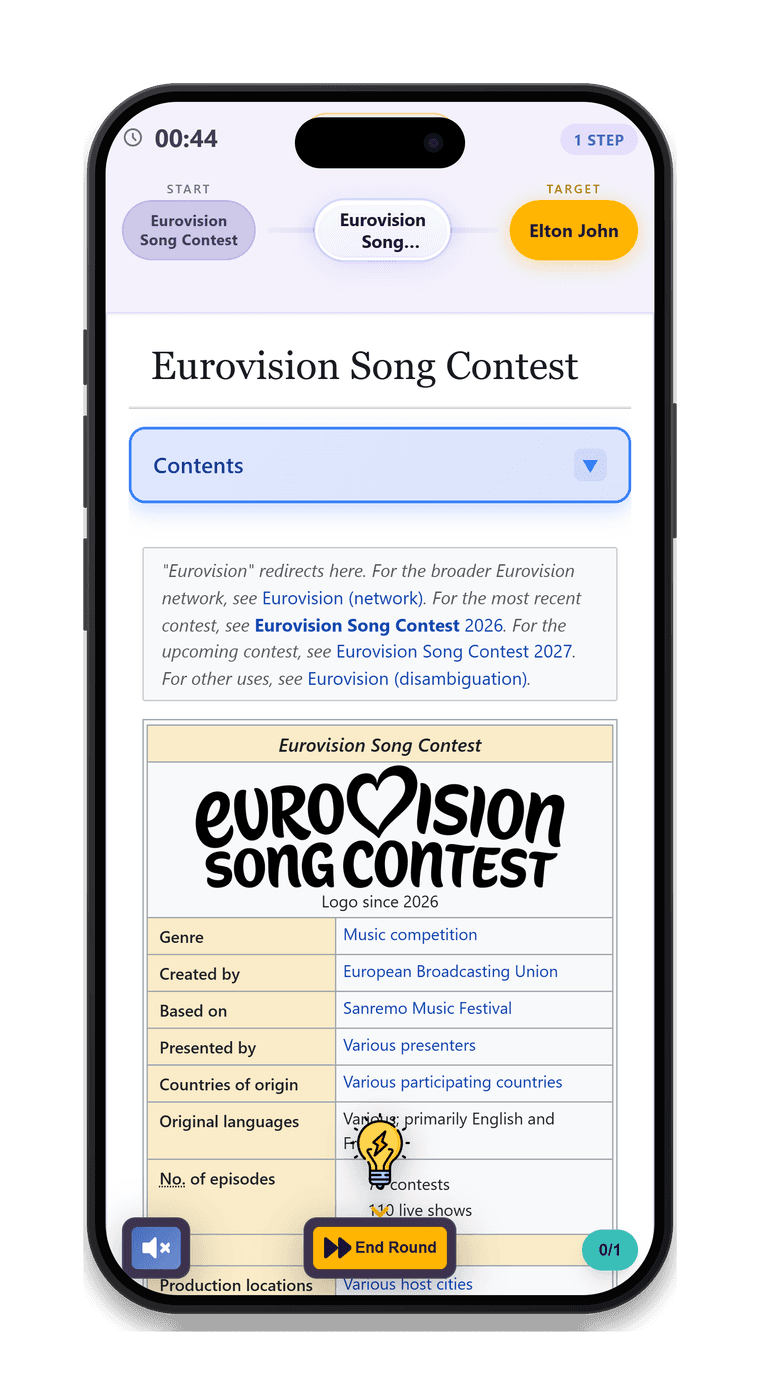
This is our go-to for big groups. Everyone starts on the same Wikipedia article and races to a target page using only the links inside each page — first to arrive wins. Whether it is 10 players or 100, everyone races at the same time, and the system tracks who got there first. No turns, no idle audience. Full guide: how to play Wikipedia Race, or start one.
2. The Meme Game — Big Groups Make It Funnier
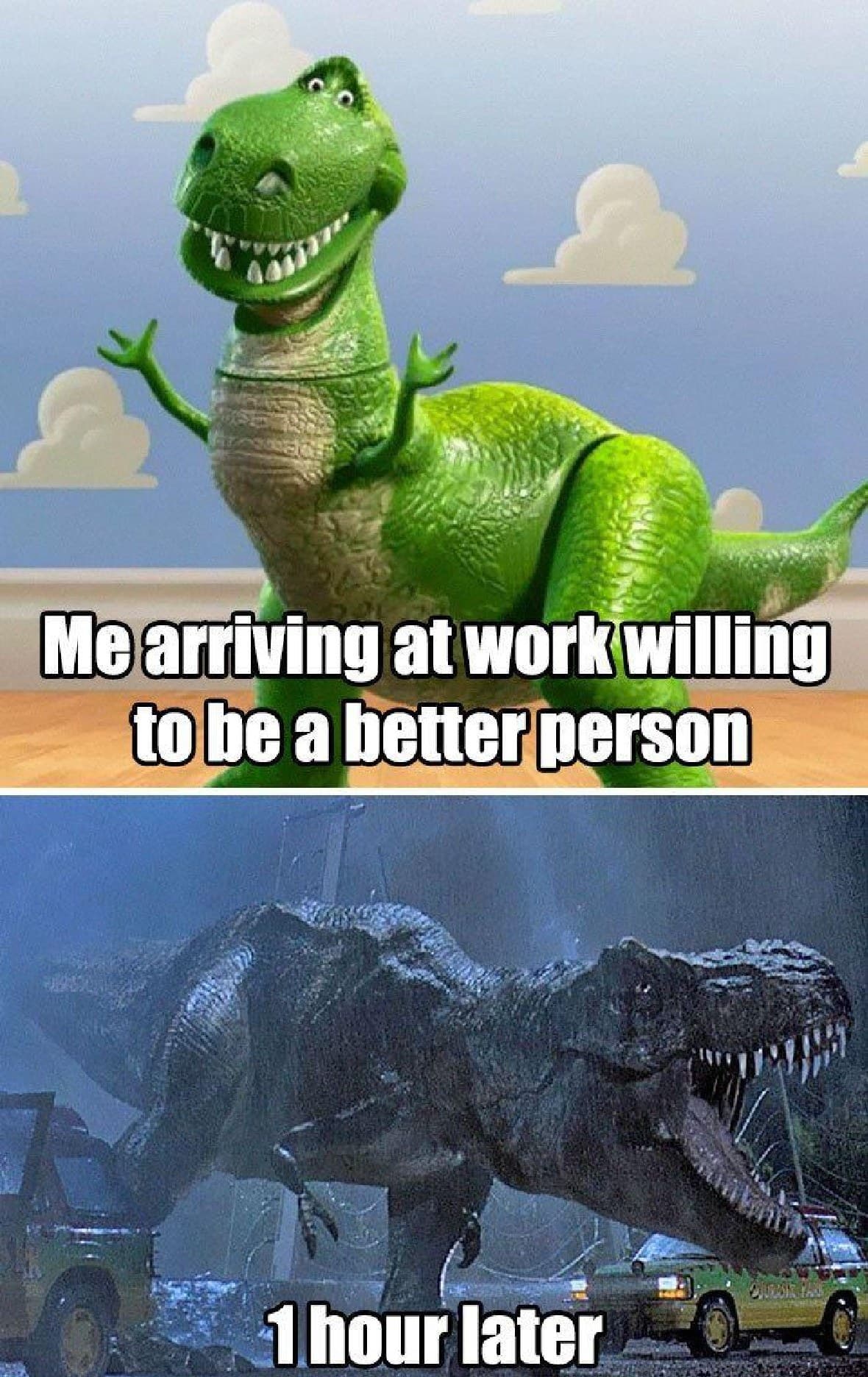
Each player gets their own meme to caption (or everyone the same one — your call), then the whole group votes for the funniest. Counter-intuitively, this gets better with size — more memes, more variety, a bigger laugh when the winner is revealed. Here is how the online Meme Game works, or play it.
3. Team Trivia — Split Into Squads
For very large groups, break into teams of four to six and run themed trivia rounds. The team layer adds a second level of competition and keeps even a 100-person room invested.
4. What Tends to Break at Scale
Charades, one-at-a-time icebreakers, and anything that depends on a single facilitator reading prompts aloud — these are great for small teams and painful for large ones. If you only remember one rule: at scale, simultaneous beats sequential.
For the wider menu of formats, see our hub guide to team building activities for work.
One Big Game or Split Into Teams?
Both work — it depends on the goal. One big game (like a single Wikipedia Race with everyone in it) maximizes the shared moment: one winner, one leaderboard, everyone in the same story. Splitting into teams adds bonding within each squad and works better past ~50 people, where a single leaderboard gets crowded. A common move is to do both: a few team rounds, then one final all-in race for the title.
Large Group Games for Remote All-Hands and Company Events
Big remote events are where simultaneous, one-link games matter most — a 100-person video call cannot take turns. The same game runs identically whether players are in a hall or on a call, which is exactly what makes it work for hybrid all-hands. More on running activities over a screen in virtual team building for remote teams.
What We've Learned Running Games at Scale
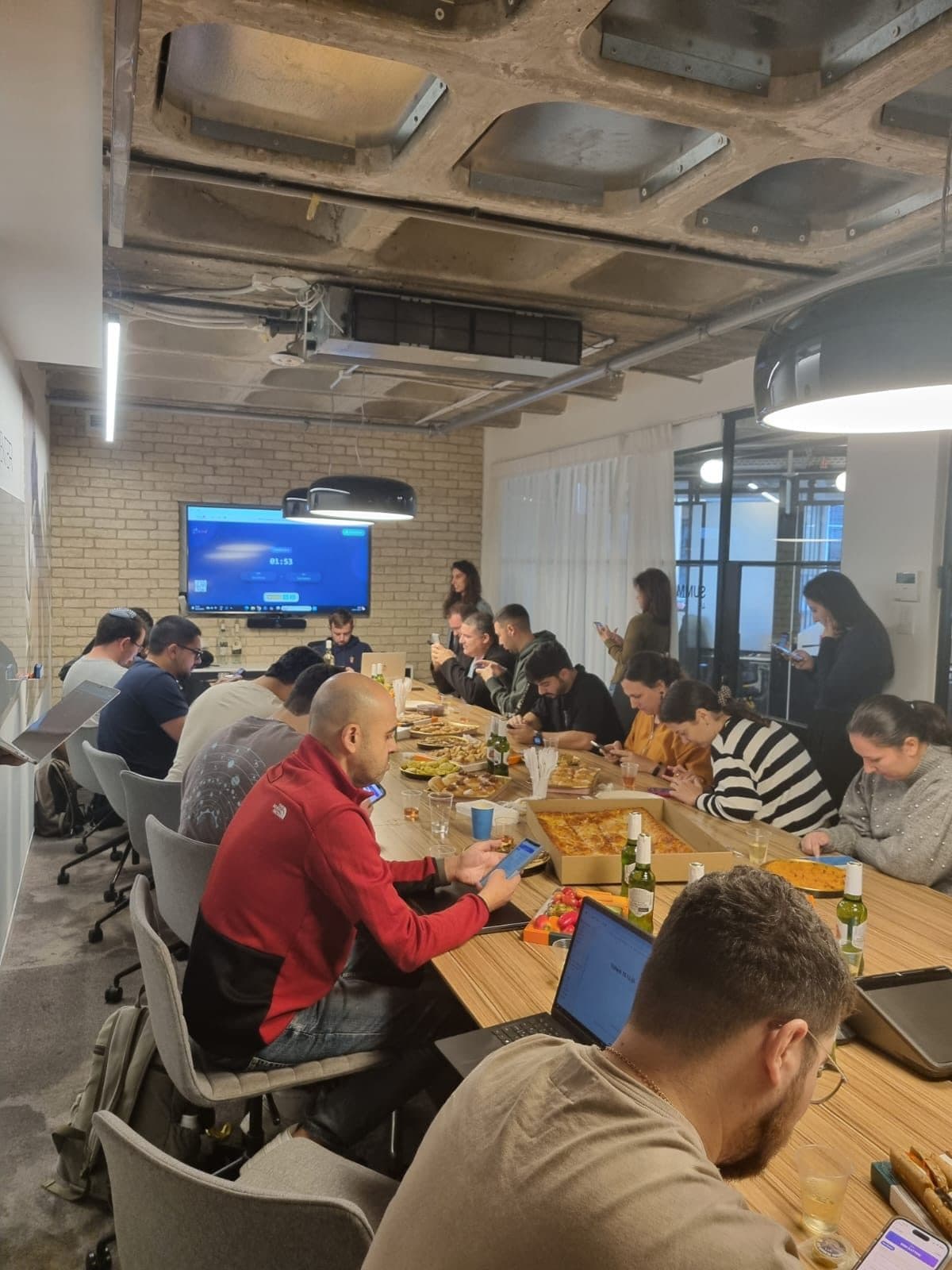
A few things that only show up once a group gets big: keep rounds short — energy in a large room drops faster than in a small one, so a tight, fast game holds attention better than a long one. Lean on automatic scoring so nobody is manually tallying for 80 people. And open with the most competitive game you have; nothing pulls a big, distracted group together faster than a leaderboard and a clear winner.
How to Run a Large Group Game
With yalabo, you create a game and share one link — and whether 8 or 80 people join, they are all in the same game from any device, no install or account. It is free for up to 5 players, with paid plans built for bigger teams, large groups, and company-wide events (see pricing).
Start a game and see how it holds a big room together.
Ready to play?
Pick a game and play with your team
Choose from our games, create one in seconds, share the link, and your team is playing in under a minute.